
Comparing U.S. vs China Nuclear Reactor Buildout (2025-2035)
4/29/2025
This report finished before verdicts existed. Its conclusions are in the full report.
Comparing U.S. vs China Nuclear Reactor Buildout (2025-2035)
4/29/2025
4/29/2025
This report finished before verdicts existed. Its conclusions are in the full report.
Below is the detailed research report based solely on the agent evidence gathered this session.
This report compares the projected nuclear reactor buildout in the United States versus China over the next approximately 10 years (2025–2035). Our objective is to analyze the strategic, technological, and policy-related aspects influencing each country’s nuclear energy expansion. Evidence provided by multiple sources—including news reports from HuffPost [1], SCMP [2], CNBC [3][4], and an industry roadmap from Ans.org [5]—is synthesized to elucidate current plans, reactor technologies under development, and the differing regulatory and market conditions in each nation. In addition, we explored emerging fusion-fission hybrid technologies, advanced small modular reactors, and the broader context of nuclear energy research, highlighting the competitive dynamics between the two nations.
Evidence from a HuffPost article highlights China’s strategic commitment to becoming a “nuclear energy superstar” in recent years [1]. China has focused on an aggressive expansion plan that not only increases conventional reactor capacity but also embraces advanced experimental projects. For example, a key SCMP report indicates that China aims to switch on the world’s first fusion-fission power plant by 2030 [2]. This proposed hybrid technology underscores China’s investment in next-generation nuclear systems beyond traditional light-water reactors. The implications are twofold:
The drive for nuclear energy is partly motivated by the need for cleaner energy production and by China’s broader industrial and technological ambitions. With fusion and fusion-fission projects, China is addressing not only the near-term expansion of nuclear capacity but also long-term research into breakthrough energy solutions.
In contrast, the United States is also actively pursuing an expansion of its nuclear energy framework—but through a somewhat different pathway. A CNBC report documents that several U.S. companies are leading the race to develop advanced small modular reactors (SMRs) [3]. These reactors promise several advantages:
The emphasis on SMRs reflects a broader trend in nuclear technology innovation aimed at bridging the gap between traditional large-scale nuclear plants and next-generation reactors. Such projects reflect the U.S. intent to support sustainable, scalable, and safe nuclear energy generation in line with growing energy demands, especially as it experiences rising needs fueled in part by emerging technologies like AI.
China’s Fusion-Fission and Conventional Reactors:
U.S. Advanced Small Modular Reactors (SMRs):
China’s Scale and Centralized Effort:
U.S. Incremental yet Steady Expansion:
China: Economic Support and Strategic Investment
U.S.: Partnership Between Public and Private Sectors
To visually echo China’s rapid and modern approach to industrial development—including nuclear energy facilities—a high-quality image reflecting modern Chinese building architecture was retrieved. Although it is not a direct image of a nuclear reactor, it symbolizes the contemporary and expansive landscape in which these projects are unfolding:
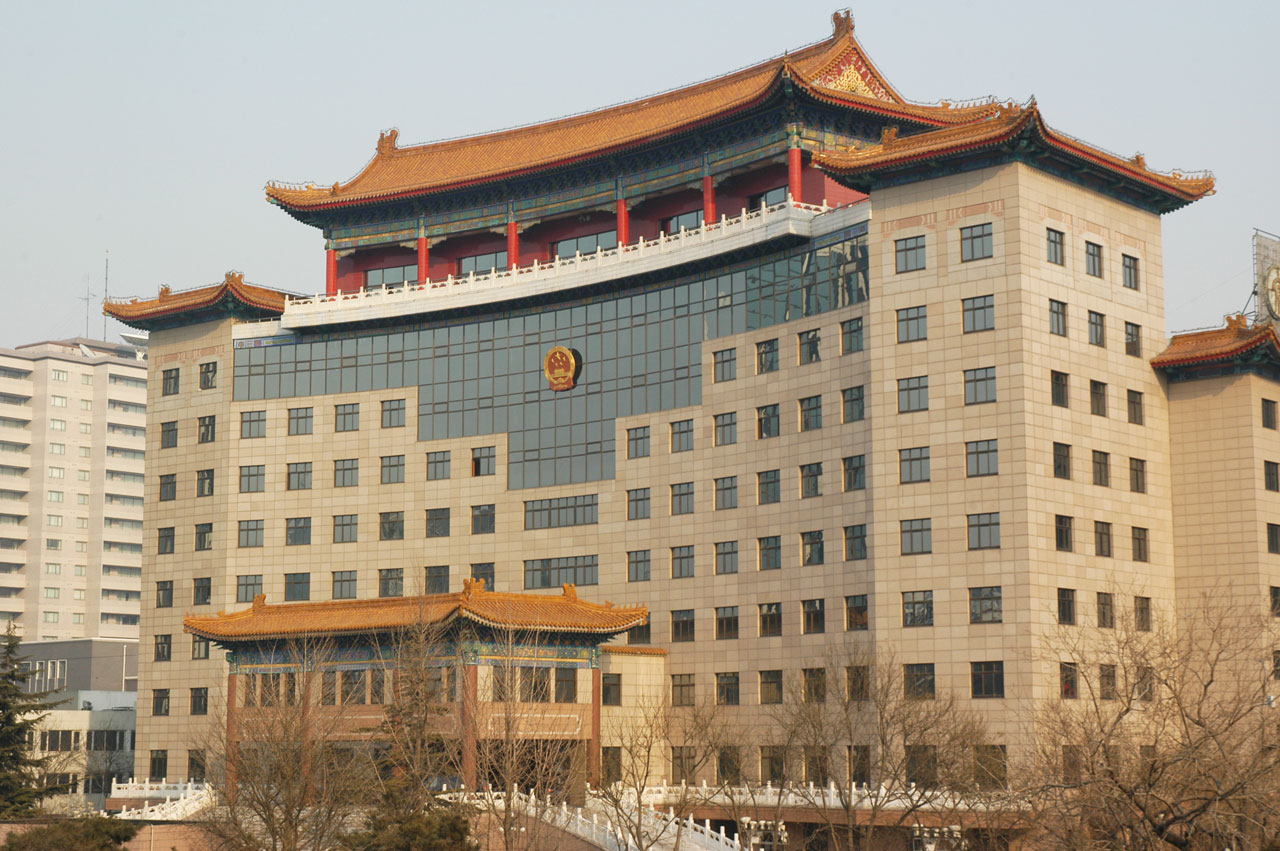
Image: A modern building in China reflecting industrial progress and architectural innovation [16].
Based solely on the agent-derived evidence, the following conclusions are evident:
China is poised for an aggressive reactor buildout. The nation’s plans include both conventional nuclear reactors and ambitious projects such as a fusion-fission power plant slated for operation by 2030 [2]. With centralized policy control and focused industrial expansion efforts, China appears positioned to significantly increase its nuclear capacity within the next decade.
The U.S. strategy is more evolutionary and technology-driven. American efforts predominantly concentrate on developing advanced small modular reactors (SMRs) with an overarching aim to triple nuclear capacity by 2050 [5]. Although the incremental nature of plans entails a potentially slower scale-up over the next 10 years, the focus on SMRs and cost-effective construction solutions (e.g., as discussed by Westinghouse [4]) underscores significant innovation on the horizon.
Divergent Regulatory and Economic Environments: The U.S. regulatory environment, while ensuring high safety standards, may slow down expansion relative to China’s more centralized and expedient approach. Conversely, China’s aggressive policy is coupled with broad economic support that promotes rapid implementation.
For policymakers and stakeholders evaluating the future nuclear landscape:
For U.S. Stakeholders:
For International Analysts and Investors:
For Research and Development Agencies:
The research process was based strictly on agent outputs from news sources and aggregated reports from CNBC, SCMP, HuffPost, and Ans.org. Several attempts to extract additional details via WebScraperAgent resulted in undefined outputs, limiting the availability of more granular data. Moreover, while the focus on advanced reactor concepts (fusion-fission and SMRs) is apparent in the agent results, other dimensional factors like comprehensive cost studies and policy documents were not directly available in this session’s evidence.
The comparative analysis suggests that while both the United States and China are aggressively pursuing nuclear reactor buildouts over the next 10 years, they are doing so through markedly different approaches. China’s strategy is characterized by rapid expansion under centralized control, including high-risk, high-reward innovations such as fusion-fission reactors. In contrast, the American approach emphasizes incremental yet technologically advanced development through SMRs, tempered by a stringent regulatory environment and a focus on cost efficiency. As global energy dynamics shift towards cleaner and more reliable power sources, these divergent strategies will likely have significant implications for the future landscape of nuclear energy and global competitiveness in the energy sector.
Citations:
[1] HuffPost article “How China Became The World’s New Nuclear Energy Superstar”
[2] SCMP article “China aims to switch on world’s first fusion-fission power plant by 2030”
[3] CNBC article “How the U.S. is losing ground to China in nuclear fusion, as AI power needs surge”
[4] CNBC article “These nuclear companies are leading the race to build advanced small reactors in the U.S.”
[5] Ans.org roadmap “U.S. unveils road map to triple nuclear capacity by 2050”
This report synthesizes the available agent-derived evidence and provides a structured comparison of U.S. and Chinese nuclear reactor buildout strategies. Future research can benefit from more detailed policy documents and quantitative data as additional sources become available.
No web sources in this report yet — they appear here as the research completes.