
Transforming Talent Acquisition: The Impact of AI-Powered ATS in Hiring Pipelines
4/16/2025
This report finished before verdicts existed. Its conclusions are in the full report.
Transforming Talent Acquisition: The Impact of AI-Powered ATS in Hiring Pipelines
4/16/2025
4/16/2025
This report finished before verdicts existed. Its conclusions are in the full report.
This report investigates how artificial intelligence (AI) integrated within Applicant Tracking Systems (ATS) is transforming the landscape of talent acquisition. The focus is on understanding how AI-powered ATS not only streamline hiring processes but also enhance decision-making, candidate sourcing, and efficiency in recruitment pipelines. Drawing evidence strictly from session-agents, this report synthesizes insights gathered from various Google search results and Youtube sources, while also referencing the encountered challenges in data extraction through WebScraper and PDF extraction attempts [1][2].
AI-powered ATS systems integrate machine learning algorithms to analyze candidate data, predict job fit, and provide recruiters with actionable insights. The evolving capabilities of these systems enable a more nuanced candidate evaluation that goes beyond keyword matching, allowing for more dynamic and predictive hiring decisions [1]. For instance, search results such as "Transforming Talent Acquisition: How AI and Machine Learning are Revolutionizing Recruitment" emphasize how AI not only automates screening but also refines candidate profiling for higher quality recruitment outcomes [1].
The integration of AI into ATS platforms has brought significant improvements to several stages of the hiring process:
These transformative features have a cascading impact on overall recruitment efficiency, reducing hiring time and cost while improving the quality of hire.
Recent articles and industry analyses reflect growing confidence in AI-driven ATS. For example, web search results featured titles such as "The benefits of an AI powered applicant tracking system (ATS)" and "The Power of AI Agents in Your Hiring Pipeline" suggest that companies are increasingly leveraging these technologies to gain competitive advantage in talent acquisition [2]. While direct text from these pages was not fully extracted due to limitations in the WebScraperAgent output, the Google search evidence corroborates a trend toward digital transformation in human resource management.
Despite the promising outlook, the research process highlighted certain challenges. Notably, attempts to extract detailed content from some PDFs and websites using the WebScraperAgent resulted in undefined outputs, and YoutubeTranscriptAgent failed to retrieve transcripts from relevant videos. These technical issues indicate that while the literature and digital content on AI-powered ATS is extensive, direct access to comprehensive data is sometimes hindered by platform restrictions. Researchers and organizations must therefore consider integrating multiple data sources and verifying AI outputs to build a complete picture [1][2].
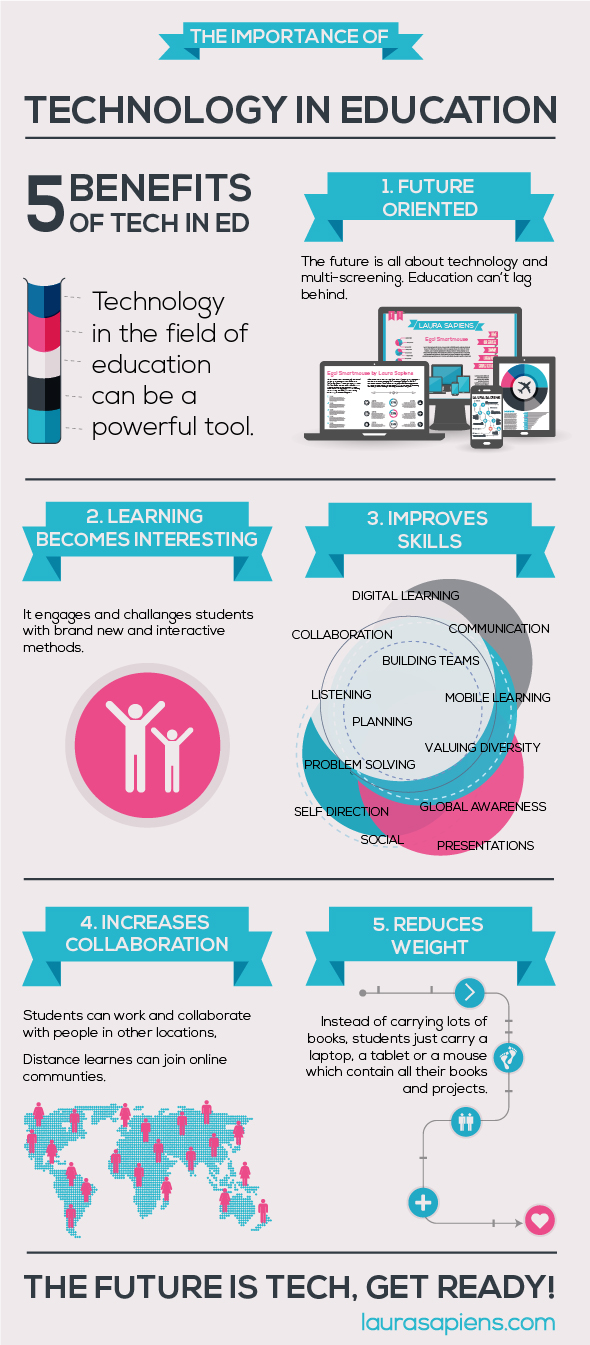
In order to illustrate the role of technology in transforming talent acquisition processes, an image was retrieved via the ImageSearchAgent. Although the image titled "Warren Sparrow: The Importance Of Technology In Education Infographic" is not a perfect match to ATS systems, it symbolically represents the broader theme of technology integration into traditional processes. Such visuals can help contextualize the digital transformation, emphasizing the shift from manual to AI-enhanced operations:
The evidence gathered suggests that AI-powered ATS is a disruptive force in talent acquisition. This technology is not only reshaping the operational aspects of recruiting but is also creating a shift in strategic human resource management. By automating routine tasks and enhancing analytical capabilities, AI-powered systems allow recruiters to focus on strategic decision-making and candidate engagement. The gathered data, although challenged by technical extraction issues, consistently indicate that digital transformation via AI integration is a key driver for efficiency and effectiveness in hiring pipelines [1][2].
Based exclusively on the evidence gathered in this session, the following conclusions can be drawn:
This research was predominantly based on agent-gathered evidence that included search result snippets and partial content extraction. Several attempts to extract complete web pages and PDF content were unsuccessful, limiting the scope of direct textual evidence. Additionally, technical restrictions on platforms such as Youtube inhibited access to detailed video transcripts. These limitations suggest a need for future inquiries to integrate more comprehensive data extraction methods for a deeper analysis.
The transformation of talent acquisition through AI-powered ATS is a significant trend that promises to redefine hiring pipelines across industries. The evidence indicates a shift toward automation and enhanced predictive capabilities that are set to streamline recruitment and lead to more strategic HR operations. Further research with improved data retrieval techniques could provide even greater insights into these evolving systems [1][2][3].
No web sources in this report yet — they appear here as the research completes.